Showing posts with label Dental Sleep MBA. Show all posts

Wednesday, May 20, 2020

7 Ways You Can Prevent Putting on Pounds During This Pandemic

One casual observation I’ve seen during countless Zoom and FaceTime sessions with old friends and acquaintances is that many seem to have gained significant weight. I admit that just by seeing their faces onscreen is not an objective way of documenting weight gain. But from what I’m seeing and hearing from patients during our video sessions, many are telling me that they have gained significant weight in the past 4 to 6 weeks. Some of the reasons why people are putting on pounds are pretty obvious, but some are not.

Here are 7 reasons why you may be gaining weight during the pandemic and what you can do about it.

1. Less Physical Activity

This is the most obvious change for everyone. Since I’ve been doing more video teleconferencing for meetings and patient encounters, I’ve been sitting dramatically for longer periods of time. When I’m seeing patients, I’m often getting up, walking around, greeting patients, walking over to my secretary or another staff member to ask a question. Now, everything is done in front of a computer. 

Sitting for long periods without regular breaks has been found to lead to less productivity and creativity. Regular 5 to 10 minute breaks every 45 to 60 minutes is important not only to increase productivity but also to create a sense of time-limited urgency, like catching up on all your work and loose ends before going on vacation. Everyone has different needs regarding how long to work in-between breaks. The important point is that you need to take the time for regular breaks. 

One new routine (and now ritual) that our family started is a short walk outside along with our dog, Louie. We’ve been doing it after every dinner, as well as after lunch if I can join them. This was a custom I remember doing while growing up in South Korea. It brings back fond memories of my childhood. If you Google health benefits of walking after dinner, you’ll see countless articles and studies supporting this activity, especially with glucose control. 

2. Less Sun Exposure

Many people have jobs that already requires working indoors, but now it’s even a greater proportion, especially with the pandemic lockdowns. Sunlight is a crucial component of your internal circadian clock. It resets the daily 24 hour rhythms of the body, optimizing all body functions, as well as to prepare you for optimal sleep at night. In fact, it’s been recently discovered that every cell in your body has genes for a 24-hour clock.

In addition, sunlight is a major factor in your body’s ability to make vitamin D, which is a hormone that significantly influences all areas of your body. Not surprisingly, the average American is Vitamin D deficient, hovering around the mid to upper 20 (nanograms/mL) range, where 30 is considered “normal.” However, it’s been shown that you need to reach a Vitamin D level of above 50 to 60 to benefit from a lower risk of heart disease, cancer, depression, bone fractures, and diabetes. The lower threshold of 30 was set to prevent rickets, which is bowing of the legs during childhood development. Additionally, the interaction of vitamin D along  with various B vitamins is needed for optimal gut biome health, as it relates to neurotransmitter production, such as serotonin.

3. More Screen Time at Night

This problem is the flip side of #2. Too much of the wrong type of light at the wrong time. With the advent of the light bulb over 100 years ago and now with LED phones and computer screens, we are all immersed with artificial light. What’s worse, LED lights tend to have colder, bluer colors, which is known to increase wakefulness, as well as to lower an important sleep hormone, melatonin. Normally, melatonin begins to rise about 2 hours before your normal sleep time. 

So if you normally go to bed at 11 PM, and use your computer until bedtime, you’ll be less drowsy when to go to bed at 11 PM. It may take a little longer to fall asleep, whereas you still have to wake up at the same time in the morning to go to school or work. This leaves you a little sleep deprived. Many teenagers have this much worse off. 

This is why it’s important to avoid screens about 2-3 hours before bedtime. Don’t stay up 2 hours later just so you can watch a movie. If you must work on the computer, make sure to use a program or setting that cuts down on the blue light intensity. This is still not ideal since time spent working or browsing YouTube will fill your thoughts with stress, fear, or anxiety. More media at night will also tend to increase food intake as well.

4. Poor Sleep

Many families I’ve seen are now able to eat dinner much earlier. But for some individuals and families, dinnertime is later, regardless of whether or not food is cooked at home or ordered out. My strongest recommendation for better sleep is to avoid eating, snacking, or drink alcohol within 3-4 hours of bedtime. I can’t stress how important this is. The most important reason is that the latter has been shown to increase weight. Having persistent stomach juices lingering after a recent meal or snack can come up into the esophagus or throat, leading to reflux symptoms. This will cause multiple subconscious arousals since the sensation of acid in your throat will cause you to wake up slightly to swallow more often. If juices go into your windpipe, you’ll cough more often at night. 

Given that the vast majority of people in the US are either overweight or have crooked teeth, it’s likely that they will have undiagnosed obstructive sleep apnea (OSA) or upper airway resistance syndrome (UARS). OSA, where one stops breathing repeatedly through the night while sleeping, is more commonly seen in overweight people but is also can be seen in young, thin women who don’t snore. UARS is a variation of OSA, where the duration or severity of obstructions doesn’t lead to the lowering of oxygen levels or breathing pauses longer than 10 seconds. In UARS, you can stop breathing 25 times every hour but still don’t have OSA. For both OSA or UARS, the vacuum forces created by inhaling against a closed throat will suction your normal stomach juices into the throat.

Another major issue that most doctors don’t typically consider is that modern human faces and mouths are shrinking. Over 100 years ago, most people had their third molars come in normally. Over the years, more and more people need their impacted 3rd molars (wisdom teeth) removed. Now there seems to be an increasing rate of 3rd molar agenesis, where at least one or more 3rd molars fail to erupt at all. We’re just finishing up analyzing our data looking at publicly available college yearbook faces and we found significant changes over 50 years, with modern faces being more narrow and taller. If you look at younger adults these days, they tend to have more narrow, triangle-shaped jaws, with more recessed and sloping side facial profiles. We have some amazing medical, dental, and surgical innovations, but this finding seems to imply that we’re treating a moving target. As our jaws get smaller, more health conditions will arise, needing different treatment options. 

5. Ordering Out More

Many singles, couples, and families are using this opportunity to cook more at home, but others are ordering more food for delivery or take out. Whenever I do pick up some food to take out, business seems to be to booming. I have a friend who owns and runs a restaurant who says the takeout and delivery business is very good. 

While convenient, eating out is almost always less healthy than a home-cooked meal, since you know the exact ingredients that are used. Restaurants will give typically give you their typical large-sized entrĂ©es, which is always a problem for people practicing portion control. I don’t  even need to mention the downsides of eating fast-food. 

6. Stuffy Noses

I can’t emphasize how important it is to breathe regularly through your nose. The nose and sinuses make nitric oxide which helps kill bacteria, viruses, and fungi, it also increases oxygen uptake in the lungs by about 10%. There are studies showing that nitric oxide can kill the coronavirus (from past pandemics, not COVID-19). Mouth breathing will cause you to breathe faster and more shallowly, leading to a mild form of hyperventilation. This will cause anxiety and increase your stress response. 

Many people are probably not able to see their doctors during the current spring allergy season (mainly due to trees) because of the lockdown. Allergies will cause stuffy noses, sneezing, runny, itchy and watery eyes, and general misery with sleep problems. If you have nasal allergies, it’s important to address it properly, starting with conservative methods (such as nasal saline, allergy avoidance measures in the bedroom) to medical treatment (medications or allergy shots).

7. Stress 

This pandemic and associated public health consequences are a major source of stress and anxiety. This can lead to hunger for more unhealthy foods (sugary, starchy foods), eaten later at night. Watching the news too much, or spending hours on the internet reading about various conspiracy theories, or local/state/federal government mismanagement problems are additional sources of emotional and physical stress. 

Stress can come from multiple sources, including psychological, physical, or physiological origins. Breathing problems at night is a physiological form of stress. Physical stress is aggravated by a lack of physical exercise. Psychological stress comes from the intense fears and anxiety over the uncertainty of this pandemic. The bottom line is that stress leads to weight gain. Then weight gain increases your risk of obstructive sleep apnea. Obstructive sleep apnea aggravates acid reflux, which causes swelling in the throat  with more obstructed breathing. The vicious cycle continues. Dr. Robert Saplosky’s book, Why Zebras Don’t Get Ulcers is an excellent primer to read about stress.

Even I have to make enormous efforts to remove myself from the constant talking heads and chatter throughout mainstream media. We all have enough information overload coming from our schools, workplaces, and other various organizations.  This is why it’s important to implement various relaxation/stress reducton measures to counteract these unhealthy conversations. 


You may identify with one or all of the above situations. Regardless, if you are gaining weight, go down each of the 7 areas that I mentioned and apply some of the recommendations so that you can begin to stop and reverse any further weight gain.

Which one of these scenarios do you identify with? Please leave your comments in the text box below.

The post 7 Ways You Can Prevent Putting on Pounds During This Pandemic appeared first on Doctor Steven Y. Park, MD | New York, NY | Integrative Solutions for Obstructive Sleep Apnea, Upper Airway Resistance Syndrome, and Snoring.


from https://doctorstevenpark.com/7-ways-you-can-prevent-putting-on-pounds-during-this-pandemic?utm_source=rss&utm_medium=rss&utm_campaign=7-ways-you-can-prevent-putting-on-pounds-during-this-pandemic

Wednesday, May 13, 2020

Can Coronavirus Cause You to Gain Weight?

I have to admit that the title is a head fake. There are no studies that I’m aware of that suggests that catching the coronavirus may lead to weight gain. However, I will make a strong argument that for many people, it can promote weight gain indirectly through these 5 possible scenarios:

  1. Altered Eating Patterns

Sheltering in place definitely changed everyone’s eating habits, timing, as well as food quality. There’s no doubt that many more people have to order their meals, which in general tends to be less healthy. Even if you wanted to cook more often at home, everything has changed. Grocery shopping can be an ordeal, with long lines, empty store inventories, and stressful environments. This change in your cooking/eating/purchasing patterns is sure to alter what you eat, when you eat, as well as how much you eat. Watching more online movies at night can also promote snacking later into the evening times. This goes against my most important health recommendation to improve sleep—don’t eat or snack within 3-4 hours of bedtime. 

  1. Altered Exercise Patterns

For those of you who rely on regular gym facilities, your exercise patterns are severely disrupted. Many of you are resorting to online courses or live-streams, but it’s not the same as physically working out at the gym with others or even on your own. It’s likely that the duration or intensity of your exercise routine is now much lower. This can contribute to challenges in losing weight.

  1. Altered Sleep Patterns

Although you may think that you have more time to sleep due to the shelter in place regulations, it’s not necessarily true. Many people are watching more movies or television programs. Oftentimes, it can go later into the night, leading to sleep deprivation. Furthermore, whether you watch on your widescreen TV or computer, extra blue lights from the LED screen will lower an important sleep hormone, melatonin. This will delay the time you want to fall asleep. As mentioned before, watching TV late at night is associated with snacking. It’s proven that lack of sleep significantly promotes weight gain.

  1. Less Sunlight/Lower Vitamin D

Even with the onset of spring and warmer temperatures, sheltering in place lessens time spent outdoors. This means less time for sun exposure, leading to lower levels of vitamin D. In general, most Americans have low levels of vitamin D, and what we ingest in our food supply is not nearly enough. A healthy gut biome (with optimal sleep and healthy diet) is needed for proper vitamin D absorption, as well as conversion to the active form of vitamin D that the body uses as a hormone throughout the body.

  1. Increased Stress

There are a number of different sources for stress in our current health crisis. From anxiety/fear/panic due to the unknowns to the loss of loved ones, friends or colleagues at work, these are truly terrifying times. For parents of younger children, being at home and needing to work online as well as to be a home school teacher can be extremely stressful. I’ve also mentioned in my book and this blog that unhealthy foods, lack of exercise, poor sleep, and lower melatonin and vitamin D levels can also increase your body’s stress hormones. Physiologic stress causes weight gain, and weight gain promotes obstructive sleep apnea.


I admit that there are some people who are taking advantage of the “pause” in our overworked lives. They take active steps to eat healthier, cook at home, exercise regularly, and focus on improving their mental, emotional, and spiritual states of health. But from what I’m seeing with the patients that I’m talking to through video office visits, the vast majority are sliding backwards. 

Numerous famous authors, philosophers, and religious leaders have pointed out that during times of crisis, it is the best time to reprioritize our lives, our health, and our relationships. If you have been backsliding on your health goals or weight loss efforts, go down the 5 items described above and commit to making the changes that are needed to make 2020 an inflection point in your life.

The post Can Coronavirus Cause You to Gain Weight? appeared first on Doctor Steven Y. Park, MD | New York, NY | Integrative Solutions for Obstructive Sleep Apnea, Upper Airway Resistance Syndrome, and Snoring.


from https://doctorstevenpark.com/can-coronavirus-cause-you-to-gain-weight?utm_source=rss&utm_medium=rss&utm_campaign=can-coronavirus-cause-you-to-gain-weight

Friday, May 8, 2020

How Mouth Breathing May Put You At Risk for Viral Infections

In his classic book, Shut Your Mouth and Save Your Life (1870), American painter George Catlin described a correlation between pre-civil war Native Americans who were mouth breathers and various chronic illnesses. In a 30 year span (1830 to 1860), he visited over 150 Native tribes in North, Central, and South America. 

Catlin observed that tribes with no Western influences had zero infant mortality, and no childhood deformities or diseases. He noted that Native American nose breathers tended to be much healthier compared to white “civilized” people who were more prone to mouth breathing and tended to be much more sickly in general. He also commented on how beautiful the natives’ smiles were with beautiful teeth.

An interesting story illustrates Catlin’s observation: Two Native Americans were in an argument and knives were drawn. Catlin and others were successful in calming the two men down and eventually, they were reconciled. Catlin later took aside one of the two men and asked if he was afraid of his opponent, who was much bigger and stronger. The man reportedly responded, “No, not in the least; I never fear harm from a man who can’t shut his mouth, no matter how large or how strong he maybe.”

Beautiful smiles and no cavities, but 100 years ago?

Almost 60 years later, Catlin’s observations were mirrored and expanded on in his classic book, Nutrition and Physical Degeneration (1939) by Dr. Weston Price. An active researcher in the Canadian and American Dental community, Price traveled to numerous remote areas of the world finding that cultures that ate completely off the land had broad faces, beautiful, full smiles, and minimal to no cavities. Only after the adoption of Western diets did their children’s teeth come in crooked with many more cavities and more chronic medical illnesses. 

Why mouth breathing may make you sick

So what does mouth breathing have to do with viral infections? I’ve written before that our nose and sinuses make a gas called nitric oxide. This gas has two important features: proven antimicrobial properties and the ability to increase oxygen uptake in your lungs. There have been many studies showing nitric oxide’s ability to kill viruses, bacteria, fungi and even parasites. In particular, nitric oxide was also found to lower SARS Coronavirus replication by 82% in this study from 2005. The study authors showed that nitric oxide inhibits viral protein and RNA synthesis. 

How nose breathing can increase oxygen in your lungs

This study found that blood oxygen levels were 10% higher in healthy volunteers who were nose breathing compared to mouth breathers. In ICU patients who were intubated, adding the patient’s own nasal airflow into the lungs increased arterial blood oxygen levels by 18%. Nitric oxide dilates blood vessels in your lungs, increasing oxygen uptake. Based on these findings, there is currently an ongoing study looking at nitric oxide in critically ill COVID-19 patients. This property was the basis for awarding of the Nobel Prize in Physiology or Medicine in 1998. 

You may be asking by now if this information is applicable. My answer is yes and no. Converting to nose breathing or adding nitric oxide is unlikely to cure you of a serious COVID-19 infection. There are so many known and unknown processes that are happening simultaneously. You can’t suddenly change your upper airway anatomy which took a lifetime to develop (or underdevelop). 

Many people who are mouth breathers will be more prone to medical or mental health issues, or more likely to be overweight. Certain commonly prescribed prescription medications can also cause nasal congestion. There are countless other reasons that can lead to a stuffy nose. This is why it’s important to address this important issue aggressively whether using over-the-counter or holistic methods or by seeing an ENT physician.

Application to the COVID-19 pandemic

The one common theme that keeps surfacing during our current COVID-19 pandemic is that poor outcomes are seen mainly in the very elderly, obese,  or people with a number of chronic medical conduits. Oftentimes, it’s a combination of all three. Yes, there are exceptions to this rule, with a handful of younger, healthy men and women succumbing to this virus. Yes, it’s important to find a vaccine for this virus, but it’s important to focus on the 25 to 50% of people who are infected with COVID-19 but are either asymptomatic or have only mild symptoms, even if you are older. What are they doing differently that’s keeping them healthy?

The main reason why I’m bringing up this issue is that focusing on proper nasal breathing, optimal health and wellness, and smart food choices can significantly lower your chances of catching any type of infection. You still have to use common sense and take appropriate precautions. But even you do catch a cold (rhinovirus), influenza or coronavirus, your body will be better equipped to fight off any infection.

To do:

The next time you watch an elite marathon competition, take a look at the winner’s face in the last mile of the race. More likely than not, you’ll see the winner breathing fully in and out through the nose with the mouth closed.

The post How Mouth Breathing May Put You At Risk for Viral Infections appeared first on Doctor Steven Y. Park, MD | New York, NY | Integrative Solutions for Obstructive Sleep Apnea, Upper Airway Resistance Syndrome, and Snoring.


from https://doctorstevenpark.com/how-mouth-breathing-may-put-you-at-risk-for-viral-infections?utm_source=rss&utm_medium=rss&utm_campaign=how-mouth-breathing-may-put-you-at-risk-for-viral-infections

Wednesday, May 6, 2020

The Consequences of Sleep deprivation in the ICU

Imagine if you went to sleep at your normal bedtime, but 5 minutes later, the lights went on. You hear multiple peoples’ conversations right next to your bed. The TV turns on and stays on. A car alarm goes off just opposite your window,  and a siren-screeching ambulance drives by your house every few minutes. 

This may sound a bit far fetched, but this is essentially what most patients who are in the intensive care unit (ICU) experience. It’s not just at night, but 24/7. 

This is what I saw during my recent time spent in a COVID-19 ICU. Fluorescent lights are on constantly. Doctors, nurses, technicians, and various other staff members are repeatedly going in and out of the room. You’re being poked for blood samples on a regular basis. Invasive and noninvasive procedures are performed on a regular basis. You may even  have to be on a ventilator with a tube in your windpipe. 

This experience brought back memories of articles I read many years ago on the consequences of sleep deprivation in the ICU. In particular, there are many papers on delirium during or after time spent in the ICU. A good overview of this subject can be found in this review article in 2014. It’s highly technical in nature, but you can get an idea of the basic concepts just by looking at the figures and tables. 

In general, sleep studies on patients in the ICU generally have much higher  durations of light sleep and arousals, and much lower time spent in deep and REM sleep.

What all these review articles show is that you’re not really getting any quality or good quality of sleep in the ICU. Here are 6 main areas of concern:

Noise

This is the most obvious factor that prevents good sleep quality. The World Health Organization (WHO) recommends average background noise in hospitals not be higher than 30 decibels, with nighttime peaks not higher than 40 decibels. As you can see from this paper, average noise levels range from 55 to 70 decibels and can peak as high as 120 decibels. (A chainsaw or motorcycle reaches 100 decibels.) These levels stay the same at night as well as during the daytime. Staff conversations can reach 85 decibels and were found to be the most disruptive for ICU patients. Sleep studies in ICU patients have found that about 11% of all brain wave arousals and 17% of all awakenings are due to noise.

Light

Most ICU rooms are separated and closed off with a door, but with glass doors and walls. Even if the lights are off inside the room, hallway lights are still on, and various lights from electronic devices next to the patient can light up the room. Circadian rhythms are severely disrupted as a result. Studies from China and Jordan found that using eye masks and earplugs improved perceived sleep quality. 

Patient Care Activities

Patient care activities are unavoidable in the ICU. Studies have estimated around 50 direct patient care contact points within a 24 hour period. These activities include dressing changes, medications, and baths. These disruptions are thought to be responsible for about 10% of arousals and awakenings. 

Medications

Various medications given in the ICU can disrupt sleep. Although you may think that sedatives such as valium or narcotics such as morphine may help with sleep, it’s not always the case. For example, medications in the benzodiazepine classification such as valium as well as narcotics are known to lower slow-wave (deep sleep) and REM sleep (dreams). 

Any degree of sleep deprivation (including via medications) will lead to what’s called REM rebound, where you see much higher levels of REM sleep. But during stage REM is when muscles are most relaxed, and hospital patients are kept on their backs. This can lead to more obstructed breathing episodes. Note that patients are protected from obstructed breathing if they are intubated (on a ventilator with a breathing tube).

Ventilator Settings

Being on a ventilator is not a normal experience. There are a number of settings that control your respiratory rate, pressure, volume, and how it responds to your breathing efforts. Oftentimes, sedatives are given if a patient is uncomfortable with ventilation. Undoubtedly, having a tube in your throat and adjusting to the machine’s artificial breathing patterns can be uncomfortable. 

Sleep and Your Immune System

It’s also commonly acknowledged that chronic sleep deprivation can lower your body’s ability to fight infections. Take a look at tip #1 on my blog post on 5 Ways to Combat Coronavirus. It’s not surprising that rats that were sleep deprived were susceptible to much higher rates of bacterial infections.

5 Ways to Improve Sleep in the ICU

Because there are so many factors in an ICU that can disrupt sleep, it’s hard to pinpoint one or even a handful of things to address. It’s safe to say the sleep quality is not a high priority for doctors in the ICU, for many legitimate reasons. However, there are a number of steps that can be taken to lessen the degree of sleep disturbances in the ICU:

  1. Do an inventory of all sources of noise and try to minimize levels. Keep conversations to a minimum and lower voice levels. Lower machine alert sound levels. Consider earplugs or headphones to lower sound exposure. 
  2. Minimize patient-related activities or disruptions. Order blood tests or take vitals more often during the daytime. 
  3. Turn off all lights at night. Consider using an eye mask.
  4. Minimize medications that can lower sleep quality.
  5. Optimize ventilator settings for patient comfort.

Hopefully, you or your loved ones won’t ever have to spend time as a patient in the ICU. But if you do, talk to your ICU team to make them aware of your concerns about this important issue.

The post The Consequences of Sleep deprivation in the ICU appeared first on Doctor Steven Y. Park, MD | New York, NY | Integrative Solutions for Obstructive Sleep Apnea, Upper Airway Resistance Syndrome, and Snoring.


from https://doctorstevenpark.com/the-consequences-of-sleep-deprivation-in-the-icu?utm_source=rss&utm_medium=rss&utm_campaign=the-consequences-of-sleep-deprivation-in-the-icu

Tuesday, April 28, 2020

No Excuses: Get Your Sleep Study Done Now

During this COVID-19 pandemic, most “elective” medical care has come to a standstill. Sleep testing and various surgical options are also included.

Jennifer is a 53-year-old woman who made an appointment to see me this July. This was the earliest appointment she could get with me since my schedule is booked completely for many months. She recently called me to say that her snoring and apneas are getting worse and that her husband is complaining. 

The first good news is that due to the pandemic, our state (NY) changed the requirements to allow doctors to diagnose and treat new patients over the phone or by video. Insurers are now required to pay for this service. Now that our elective operative cases are canceled, I’m doing a lot of video telehealth sessions for new and follow-up patients. For the first time in years, patients are able to “see” me within 1-2 weeks.

The second good news is that the vast majority of testing for obstructive sleep apnea can be done at home using validated home sleep units. In most cases, this still involves going into a sleep lab to see a sleep physician and to physically take home the testing unit. You also have to bring back the unit to the sleep lab. If there’s a concern for other sleep conditions besides obstructive sleep apnea, then you may have to wait for an in-lab study.

The third good news is that there are a number of home sleep testing companies that will mail patients the home sleep testing equipment. The patient sleep with it as directed and mails it back the next day. This is definitely much more convenient, but a doctor still has to order the test. 

In the US, many of the common insurance carriers are requiring home sleep testing as the first-line test to see if you have obstructive sleep apnea. Numerous studies have validated home testing to be relatively reliable compared to in-lab testing. In general, home testing is equivalent to in-lab testing for people with moderate to severe obstructive sleep apnea, but may underestimate sleep apnea severity in patients with mild sleep apnea. So if your home sleep test is positive, it’s reliable. If it’s negative, it’s not as reliable, especially if you still can’t sleep. 

Once you’ve been officially diagnosed with obstructive sleep apnea through an in-lab study, then the next step in the traditional model is to go back to the sleep lab for a CPAP (continuous positive airway pressure) titration study. This is another sleep study using a mask with different levels of air pressure to calibrate the exact pressure that’s needed to eliminate all your apneas. However, if you underwent home testing, and you’re OSA positive, then your sleep doctor will order an APAP (automatic PAP) device. An equipment company will deliver it to your house and show you how to use it. Because this is considered an essential service, home testing, and CPAP/APAP equipment services are still very active. It’s important to work with your doctor and equipment company to troubleshoot and fine-tune your positive airway pressure device. 

A number of studies have shown that out-of-sleep testing and therapy can be just as effective as the traditional in-lab pathways, even when overseen by primary care physicians, nurse practitioners, or physician assistants. 

If you already tried your CPAP or APAP device and still don’t find any benefit, then it’s time to talk to your sleep doctor about other options, including dental devices and various other surgical options. 

So if you’ve been sitting on the fence about when to get a sleep study, or you’re just putting it off for various reasons, there’s no excuse. Find a sleep doctor today that will do a video consultation with you.

The post No Excuses: Get Your Sleep Study Done Now appeared first on Doctor Steven Y. Park, MD | New York, NY | Integrative Solutions for Obstructive Sleep Apnea, Upper Airway Resistance Syndrome, and Snoring.


from https://doctorstevenpark.com/no-excuses-get-your-sleep-study-done-now?utm_source=rss&utm_medium=rss&utm_campaign=no-excuses-get-your-sleep-study-done-now

New study links severe sleep apnea to higher blood glucose levels in African-Americans


from https://medicalxpress.com/news/2020-04-links-severe-apnea-higher-blood.html

Friday, April 24, 2020

The Link Between Zinc and COVID-19

One disturbing thing that I noticed as a result of the coronavirus pandemic is the main focus on mitigation and finding the cure, whether through a vaccine, hydroxychloroquine, or convalescent plasma. To date, not too many doctors in the media are talking about natural ways of preventing or treating COVID-19 infections. In many cases, they tend to be disdainful of natural remedies, including Dr. Fauci, Director of the CDC. Not too surprisingly, Dr. Mercola has lots to say about this issue, with a number of common-sense recommendations.

The Science Behind Zinc

Let’s start with zinc, which is a common essential mineral that we see in our vitamin tablets. It turns to that it’s vital when it comes to fighting viral infections. The Cochrane Database of Systematic Reviews is one of the most respected evidence-based reviewers of medical literature. In 2013, they reviewed 18 studies combining 1781 subjects comparing zinc vs. placebo. They found that taking zinc reduces the average duration of the average cold in healthy individuals by up to 2 days, depending on how it was taken and total dosage. They also concluded that prophylactic supplementation can significantly lower rates of common viral infections, school absences, and need for antibiotic use. 

Zinc Helpers

Zinc is an important messenger for immune cells and free zinc inside the cells is needed for signaling. It’s also known to have antioxidant and anti-inflammatory properties. The problem is that zinc has a hard time passing through the cell’s wall which is made of fat. To help zinc pass through the cell wall, substances called zinc ionophores are needed. Quercitin and epigallocatechin-gallate (EGCG). Quercitin is is a flavonoid antioxidant that’s found in plants, such as foods such as tomatoes, berries, leafy greens and broccoli. EGCG is found in green tea and various fruits and nuts. Both quercetin and EGCG have properties that inhibits the viral 3CL protease enzyme, which the SARS coronavirus  uses to infect cells. (Mercola 8-10). 

In 2010, researchers from Leiden, Netherlands and Chapel Hill, North Carolina showed that zinc plus and a zinc-ionophore (pyrithione) can effectively block viral replication, including polio, influenza, and SARS-corona viruses in cell cultures. The same researchers used MgEDTA (a zinc binding agent), to reverse the anti-viral effects of zinc + pyrithione.

How Hydroxychloroquine May Work

What else is a zinc ionophore? Hydroxychloroquine. Although still controversial for treating COVID-19, this anti-malaria drug has known zinc transporter properties, improving zinc uptake in your body’s cells. Although not verified, a NY physician claims to have successfully treated 699 COVID-19 positive patients with a cocktail of chloroquine, zinc, and azythromycin (an antibiotic).

I’m not recommending that everyone go out and buy zinc supplements, but you can start with eating more zinc-rich foods. Examples include red meat, hemp, squash, pumpkin seeds, sesame seeds, cheddar cheese, dark chocolate, legumes, nuts, dairy, eggs, whole grains, and shellfish such as crab, mussels and oysters (which has the highest content by far). 

How Glyphosate Lowers Zinc

Now you may ask, how is glyphosate connected to all this? Glyphosate is the main ingredient in the weed killer, Roundup. It’s also heavily sprayed on the vast majority of our crops, especially on GMO foods. Besides antibacterial properties, one of the main pathways glyphosate uses to kill non-glyphosate resistant weeds and plants is its ability to bind essential minerals including iron, calcium, manganese, magnesium, copper and zinc. All these elements have a 2+ charge. Many of these elements are essential for the Shikamate pathway production of essential amino acids in plants that we eat, as well as to promote healthy gut bacteria and proper digestion in our bowels. (For more information about the dangers of glyphosate, listen to my podcast.)

So no matter how much zinc and quercetin-rich foods you eat, if you also ingest glyphosate-contaminated foods, you won’t be able to absorb enough zinc into your bloodstream and ultimately into your cells. This is why it’s important to try to minimize eating non-organic, processed, GMO foods, which as more likely to have high glyphosate levels. It’s important to note that the heart “healthy” whole grain Cheerios breakfast cereal was found to have extremely high levels of glyphosate. 

Think Prevention, Not Treatment

From what I saw in the COVID-19 ICU, the vast majority of admitted patients were extremely overweight and had multiple medical problems. Yes, there are rare reported exceptions, but I think it’s safe to say that the healthier you are (by eating healthy and minimize toxin exposures), the less likely you’ll become infected or have serious complications from any type of viral infection. For a list of simple steps you can take to avoid getting infected or to minimize any complications, please take a look at my blog and podcast on ways to combat the coronavirus.

What natural steps are you doing to stay healthy and prevent infections? I’d like to know. Please respond in the comments area below.

Note: Avoid using zinc inside your nose. It’s been associated with smell loss in some people. 

The post The Link Between Zinc and COVID-19 appeared first on Doctor Steven Y. Park, MD | New York, NY | Integrative Solutions for Obstructive Sleep Apnea, Upper Airway Resistance Syndrome, and Snoring.


from https://doctorstevenpark.com/the-link-between-zinc-and-covid-19?utm_source=rss&utm_medium=rss&utm_campaign=the-link-between-zinc-and-covid-19

Wednesday, April 15, 2020

The Fallacy of Test Results [Podcast 89]

Medical tests

In this episode, Kathy and I will discuss an issue that everyone who sees a doctor will have to deal with. With any test, you have to take it with a grain of salt, and this episode will help you place test results in the right context.

Download mp3  |  Subscribe


Show Notes:

  1. Sleep study
  2. Vitamin D - Gominak Interviews (2015 Part 1, 2015 Part 2, 2015 Part 3, 2018 Part 1, 2018 Part 2) Supplements podcast link
  3. Thyroid testing (TSH) Mary Shomon
  4. Ferritin Glyphosate podcast
  5. Hormones podcast
  6. Gluten/Celiac
  7. Radiology

The post The Fallacy of Test Results [Podcast 89] appeared first on Doctor Steven Y. Park, MD | New York, NY | Integrative Solutions for Obstructive Sleep Apnea, Upper Airway Resistance Syndrome, and Snoring.


from https://doctorstevenpark.com/tests?utm_source=rss&utm_medium=rss&utm_campaign=tests

Friday, March 27, 2020

10 Ways to Combat Coronavirus [Podcast 88]

During this coronavirus pandemic, Kathy and I will be discussing:

  1. Which vitamins and supplements everyone should be taking
  2. What is the easiest and best defense in fighting this infection?
  3. Which immune-boosting benefit most people are missing out on?

Download mp3  |  Subscribe


Shownotes:

  1. Good quantity and quality sleep.
    1. Sleep Interrupted: A physician reveals the #1 reason why so many of us are sick and tired
    2. NKC lower 73% with sleep deprivation study
  2. Good nasal breathing
    1. Nitric Oxide from nose increased oxygen uptake in lungs by up to 18%
    2. Nitric oxide and antimicrobial properties
    3. Dr. Weil’s Relaxing Breath video
    4. Curb your sugar craving podcast
    5. Unstuff Your Stuffy Nose ebook
  3. Vitamin D
    1. Dr. John Cannell - Vitamindsociety.org
    2. Vitamin D and disease reduction chart
    3. Vit D Dr. Gominak interviews
    4. School children taking Vit D - lower flu and asthma rates study
    5. Vitamin D and lower cancer risk study
    6. Vitamin D activates genes to activate natural killer cells
  4. Vitamin C
    1. Linus Pauling Institute
    2. Reduce rates of colds
    3. ICU sepsis death rates much lower with Vitamin C, hydrocortisone and thiamine
  5. Vitamin K
    1. In Foods - Dr. Axe
    2. Fermented foods - Dr. Axe
  6. B complex vitamins
    1. B6  foods - Dr. Axe
    2. Folate (B9) foods - Dr. Axe
    3. B12 foods - Dr. Axe
  7. Environmental toxins
    1. Toxin podcast
    2. Honest Review of Branch Basics Cleaner
  8. Probiotics
    1. Fermented foods - Dr. Axe
    2. Probiotics - Dr. Axe
  9. Thymic Protein A (TPA)
  10. Wash your hands with soap and water.
    1. Alcohol based 60 to 80% range - Dr. Mercola
    2. Don’t touch eyes, nose or mouth
    3. College student touching face study
  11. Heat - Dr. Mercola

The post 10 Ways to Combat Coronavirus [Podcast 88] appeared first on Doctor Steven Y. Park, MD | New York, NY | Integrative Solutions for Obstructive Sleep Apnea, Upper Airway Resistance Syndrome, and Snoring.


from https://doctorstevenpark.com/covid19?utm_source=rss&utm_medium=rss&utm_campaign=covid19

Wednesday, March 18, 2020

5 Ways to Combat Coronavirus

During this coronavirus (COVID-19) pandemic, many of my patients are asking me how to lower one’s risk of catching this virus, or optimizing your body’s defenses if you do catch this infection. Besides the standard list of basic recommended hygiene principles (frequent hand washing, using masks, social distancing, etc.), here are 5 additional simple things you can implement right away. These 5 tips will strengthen your immune system and prevent or minimize the effects of a coronavirus infection. 

  1. Get 7 to 8 hours of sleep. There are many studies showing that sleep deprivation lowers your body’s ability to fight infections. One study found that natural killer cells (NKC) are lowered by 72% compared to baseline after sleep deprivation. Here’s a good review article on sleep and immune function. If you have untreated obstructive sleep apnea, it’s important to address this condition ASAP.
  2. Make sure you’re breathing through your nose. The nose and sinuses make a gas called nitric oxide (NO), which has two important benefits. This substance helps to dilate blood vessels and increase blood flow. It’s been found to increase oxygen uptake by up to 18% in the lungs. Mouth breathing bypasses this important benefit. NO also has documented antiviral and antibacterial properties. It’s not uncommon to see increased rates of upper respiratory infections in mouth breathers.
  3. Make sure your vitamin D levels are at healthy levels. The vast majority of people in the US are severely vitamin D deficient, mainly due to lack of sunlight exposure. There are countless studies showing significantly lower levels of illness when levels are higher than 40 to 60 ng/mL. Here’s a chart showing the various health benefits of having adequate vitamin D levels. Here’s another study showing that schoolchildren taking vitamin D had lower rates of contracting influenza A, as well as lower asthma rates.
  4. Doctors generally look down on taking vitamins, but there are numerous studies showing significant health benefits of high doses of vitamin C. Here’s one study showing that vitamin C reduced rates of catching the common cold as well as lowering severity and duration of symptoms. Patients with sepsis in the ICU were found to have much lower rates of death (8.5%) if given vitamin C, thiamine and hydrocortisone, versus the control group (40.4%). Search for vitamin C and colds or infections and you’ll find many other articles that support its use. Dr. Mercola has an excellent review of how to combat the coronavirus.
  5. Use this opportunity to re-evaluate what you eat, the water you drink, personal care products you use, and toxic exposures in your house and workplace. One slightly dangerous chemical (such as BPA, an endocrine disruptor) may not do significant damage, but if you combine 20 to 30 of these substances, your body won’t be immunologically healthy enough to protect you from any infections. Add on lack of quality sleep, low vitamin status, low natural sunlight exposure, and a poor diet, then it’s more likely that you will either catch a viral infection or have more serious complications. Go to my website or podcast page to see a list of topics that pertain to this issue.

The good news regarding this pandemic is that the healthier you are, the less likely you’ll suffer from complications. This is why it’s vital to start the right health habits now. If you’re relatively healthy and completely asymptomatic, follow the recommended guidelines and stay secluded as much as possible. As a country, we’ve been through similar trying times in the past, and as always, we will get through this together, and hopefully emerge stronger and healthier.

The post 5 Ways to Combat Coronavirus appeared first on Doctor Steven Y. Park, MD | New York, NY | Integrative Solutions for Obstructive Sleep Apnea, Upper Airway Resistance Syndrome, and Snoring.


from https://doctorstevenpark.com/5-ways-to-combat-coronavirus?utm_source=rss&utm_medium=rss&utm_campaign=5-ways-to-combat-coronavirus

Wednesday, March 11, 2020

A Tongue Pacemaker for Sleep Apnea: Hope or Hype?

One of the most common questions I get asked by patients and my online community is, “What’s the newest or cutting edge option for treating obstructive sleep apnea?” Internally, I cringe at this question, since it’s like asking what’s the best way to get from your home to work? The answer is…it depends. You can walk, use a skateboard, cycle, drive a car, or even fly there by helicopter. Even the car answer can range from a basic Toyota subcompact to a Lamborghini. All these options have their pros and cons. Some are not very practical, such as flying by helicopter.

It’s understandable that people with obstructive sleep apnea are always looking for better ways of treating OSA, not having to use a pressurized mask (CPAP) for the rest of their lives. Others are reluctant to consider surgery, even when they are good candidates. There are also too many good dental options to choose from. All these mainstream treatment options work to various degrees with various pros and cons.

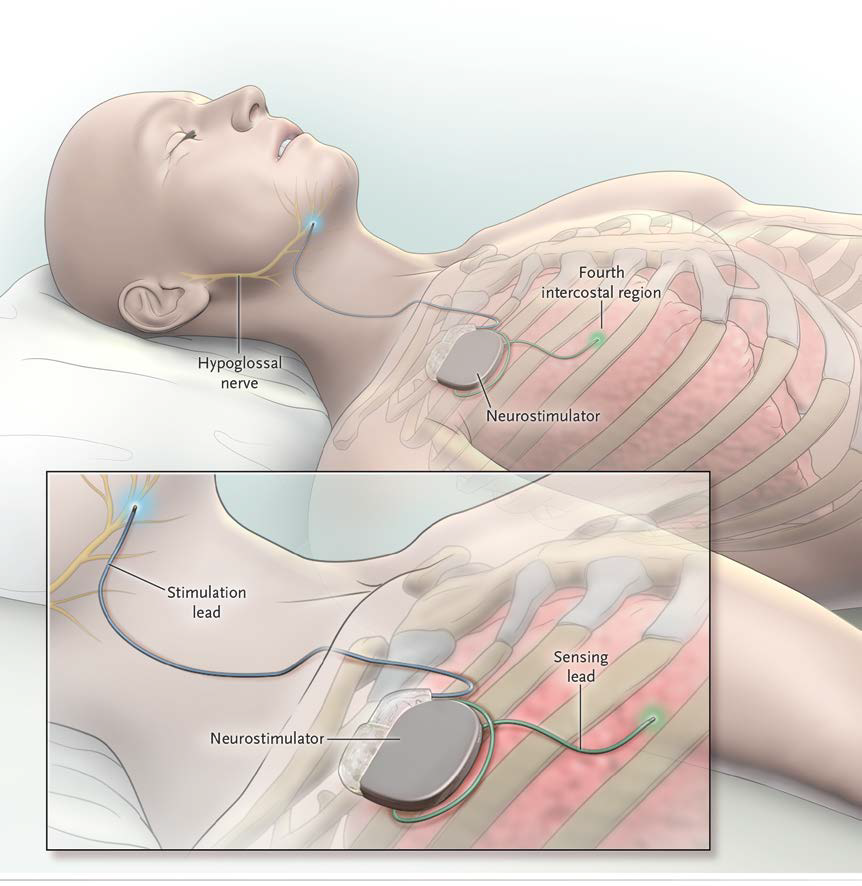
One recent option that’s been available to sleep apnea patients in the past few years is the tongue nerve pacemaker. The official term is called hypoglossal nerve stimulation, where a pacemaker-like device is implanted in the right upper chest wall, and an electrical cuff is placed around the nerve that protrudes your tongue (the hypoglossal nerve). A sensor lead is placed below the pacemaker device to detect breathing efforts. The device senses when you are making an effort to breathe, and creates an electrical signal to push your tongue forward, opening up your airway being the tongue and soft palate. Click here to see a graphic.

This sounds like a novel idea, but it was first described many years ago by Johns Hopkins researchers in the 1990s. It didn’t take hold for mass sleep apnea treatment until 3 start-up companies were created in the United States in 2006 years of 2007. ImThera is being used in Europe and is currently in clinical trials in the United States. Inspire and Apnex performed clinical studies in the early 2010s. I had the privilege of being involved in the early studies with Apnex. 

Inspire received FDA approval in 2014. In their landmark New England Journal of Medicine publication, they found that in the 126 patient study, the average AHI at 12 months dropped from 29.3 to 9.0, a 68% difference. The overall response rate (> 50% drop in AHI and final AHI < 20) was 66%. The Epworth Sleepiness Score dropped from 11.6 to 7 (< 10 is considered normal). Functional Outcome of Sleep Questionnaire (FOSQ) scores increased from 14.3 to 17.3 (>2 point improvement is considered clinically significant). Currently, Inspire is the only hypoglossal nerve stimulation technology that is approved for patient use in the United States.

Being a bit skeptical about new devices coming out in our field, I waited to see how Inspire performed, especially with long term outcomes, as well as complication rates. I was pleased to see that they published numerous long-term follow-up studies, even up to the 5 year mark. For the most past, all their studies showed improvements seen initially persist up to the 5 year mark. A systematic review and meta-analysis of all available studies in 2019 found that overall, the AHI dropped 21 points, Epworth Sleepiness Score dropped 5 points, and the FOSQ increased 3 points. More and more insurances are now beginning to cover this new technology. Well over 90% of patients are satisfied with the procedure, snoring elimination, and prefer it to CPAP.

Based on all these positive results, here’s the bad news: You have to meet very specific criteria to be eligible for this treatment. Specifically, these are the requirements:

  • Refuse or can’t tolerate CPAP
  • BMI < 32
  • Age > 22
  • AHI between 15 and 65
  • And sleep endoscopy showing front to back palate collapse only.

You can also imagine that some people just won’t like the idea of an implant of any kind in the chest wall, with small incisions in the neck and chest walls. Unfortunately, many people won’t meet the weight cutoff of 32. Even if you meet all the other criteria, you still need to undergo drug-induced sleep endoscopy to confirm if you are a candidate. This is a short procedure that’s performed in the operating room using an IV infusion of a sleep-inducing medication, with a flexible fiberoptic camera placed through the nose to look at your throat while you’re sleeping. To be a candidate, your soft palate must collapse in a front-to-back manner, and not in a pursestrings-like manner. In my experience, not too many people will qualify based on this particular test. Lastly, you could be in the 10-20% where you don’t get the result that you want, or suffer from serious complications (which are low at 2%). These include device failure, infections or nerve injury. 

The procedure is performed as an outpatient procedure, taking about 2 hours to perform. The battery lasts about 10 years. You will be given a remote control to turn it on or off, as well as to control various settings. One post-op visit is needed to see your surgeon. Four weeks later, you will see your sleep doctor in a designated Inspire trained sleep lab to turn on the device, after which a final overnight sleep study is performed to fin-tune the device, like a CPAP titration. Contrary to what you may think, the nerve stimulation level is similar to what your brain sends to your tongue, so you won’t feel any “shocks.”  For more information about the Inspire procedure, please visit Inspiresleep.com. One the website, you will be able to find an Inspire surgeon or sleep lab in your local area.

If you don’t meet the criteria for this procedure, there are various other ways of treating this condition, including other surgical procedures, dental appliances, and ways of getting you to improve your CPAP experience. Whatever you do, don’t give up, especially if you have moderate to severe obstructive sleep apnea. I generally recommend trying non-surgical options first, especially dental options. However, some people can’t tolerate CPAP or don’t have success with dental appliances. This new procedure is definitely not hype, but can be a hopeful option in some selective patients. 

If you have any further questions, please feel free ask in the comments area below.

The post A Tongue Pacemaker for Sleep Apnea: Hope or Hype? appeared first on Doctor Steven Y. Park, MD | New York, NY | Integrative Solutions for Obstructive Sleep Apnea, Upper Airway Resistance Syndrome, and Snoring.


from https://doctorstevenpark.com/inspire?utm_source=rss&utm_medium=rss&utm_campaign=inspire

Wednesday, February 26, 2020

The Connection Between Cancer and Sleep Apnea [Podcast 87]

It’s unavoidable that all of us will experience cancer at one time or another. If you have not experienced cancer, it’s likely that you know someone that has suffered or even died from cancer. 

In this episode, Kathy and I discuss the importance of good sleep as it relates to cancer. This is an important topic that everyone needs to hear if you want to significantly lower your risk of cancer.

Download mp3  |  Subscribe


Show Notes:

Cancer statistics

OSA and cancer review article

Two cancer and OSA studies: Wisconsin cohort and Spanish Study

Intermittent hypoxia and cancer review article

Cancer VEGF

Hypoxia Induceable factor (HIF)

Tumor necrosis factor (TNF)

IL6 and OSA

Endothelial dysfunction and OSA 

Taiwanese study on cancer and parasomnias, OSA, insomnia

Shift work breast cancer, colon cancer

Estrogens podcast

Vitamin D podcast

Beta blocker and lower cancer

Love Medicine and Miracles book

Why Zebras Don’t Get Ulcers book

Pillar Implants for snoring and OSA

Environmental Working Group (EWG)

Dirty Dozen foods on EWG

Relaxing breath video by Dr. Weil

5 steps to lower your risk of cancer:

  • Eat clean healthy organic foods
  • Don't smoke and minimize toxin exposure
  • Optimal, regular sleep
  • Stress control
  • Optimize upper airway and jaw size, starting from pregnancy and childhood.

The post The Connection Between Cancer and Sleep Apnea [Podcast 87] appeared first on Doctor Steven Y. Park, MD | New York, NY | Integrative Solutions for Obstructive Sleep Apnea, Upper Airway Resistance Syndrome, and Snoring.


from https://doctorstevenpark.com/cancer?utm_source=rss&utm_medium=rss&utm_campaign=cancer

Tuesday, February 18, 2020

The Estrogen Goldilocks Principle: Confusion and Controversy [Podcast 86]

Estrogen imbalance is a problem not only for women. Men and children can be affected as well, leading to various health conditions including thyroid problems, early puberty in girls, the feminization of boys, poor sleep, weight gain, and higher cancer risk.

Download mp3  |  Subscribe


Show Notes:

Post-menopausal women and progesterone study

Dr. John Lee

Dr. Christianne Northrup Wisdom of Menopause book

Sleep Interrupted

Thyroid health podcast

The Top 7 Toxins to Avoid for Better Sleep and Health podcast

Why Zebras Don’t Get Ulcers book by Dr. Robert Sapolsky

Possible autism due to too much estrogen during pregnancy

Sicker Fatter Poorer book podcast

Estrogen enhances growth of cancer cells

Estrogen, obesity, and cancer

Increased estrogen in obese men

Estrogen and breast cancer risk 

Vitamin D Chart

Checklist:

The post The Estrogen Goldilocks Principle: Confusion and Controversy [Podcast 86] appeared first on Doctor Steven Y. Park, MD | New York, NY | Integrative Solutions for Obstructive Sleep Apnea, Upper Airway Resistance Syndrome, and Snoring.


from https://doctorstevenpark.com/estrogen?utm_source=rss&utm_medium=rss&utm_campaign=estrogen

Thursday, February 13, 2020

A Tongue Pacemaker for Sleep Apnea: High Tech Hope or Hype?

Every few years, a revolutionary way of treating OSA comes out. Nineteen eighty (1981) was a pivotal year in sleep medicine when Dr. Colin Sullivan reported reversing a vacuum cleaner motor to provide positive pressure through a makeshift mask to treat severe obstructive sleep apnea. Dr. Shiro Fujita also described a palatal operation to treat obstructive sleep apnea in 1981. Later on, oral appliances were also introduced. Over the years, advances were made with positive air pressure as well as with multi-level soft tissue and jaw procedures.

In 2014, the Inspire hypoglossal nerve stimulation procedure received FDA approval for patients in the United States. In their pivotal trial with results published in the New England Journal of Medicine in 2014, they reported a 68% drop in the average apnea hypopnea index (AHI), 70% drop in the oxygen desaturation index (ODI), and with an overall “response” rate of 66% (more than 50% drop in the AHI and less than 20).

Having been involved years prior with similar technology through another company called Apnex, I was pleased to see that this technology had progressed to the point of being available to the general public. Due to the volatile nature of medical high-tech start-up companies, I was cautiously waiting to see how they would do and see what the results would show in the real world on a long term basis. In 2018, a  group of surgeons performing this procedure published their 5 year outcomes. One hundred and twenty six patients were followed for 5 years, and 97 were included in the study, with 71 available sleep studies. Comparing from baseline to 12, 36 and 60 months, improvements across all measurements remained stable. The pre-treatment AHI was 32, dropping to 15, 11 and 12, at 12, 36 and 60 months, respectively. The functional outcome of sleep questionnaire (FOSQ, a validated sleep quality of life tool) increased significantly from 14 to 17, 17 and 18. The Epworth Sleepiness Scale dropped from 11.6 to 7 at all follow-up periods. Now, this procedure is being performed at over 300 centers in the United States and more and more insurance carriers are covering it, usually after a preauthorization process.

Technically, the pacemaker is implanted under the skin beneath the right collarbone, as opposed to a heart pacemaker, which is implanted on the left side. It’s a similar sized container. A small incision is made under the right chin, and the nerve that supplies the tongue (hypoglossal nerve) is exposed. This technique is very similar to a common procedure we perform in our field to remove the submandibular gland for stones, infections, or cancer. Once the nerve is identified under a microscope, a nerve stimulator cuff is placed around a specific area of the nerve that protrudes the tongue. Another small incision is made on the right ribcage and a breathing sensor is placed. The tongue nerve cuff and respiratory sensor are then connected to the chest neurostimulator under the skin. Essentially, it senses when you make an effort to breathe during sleep, and stimulates your tongue to keep your throat open. There is a remote control that can control the setting and timing functions as well.

These results are in line with published data for multi-level soft tissue procedures. However, the recovery process is faster with significantly less pain and discomfort. It is performed as same day surgery, and the device is activated at one month post-op and fine tuned in the sleep lab in 2 months. The battery lasts 11 years, and can be changed in an outpatient procedure.

Although this procedure may sound like a magic bullet for people with sleep apnea, it’s not for everyone. There are a handful of inclusion criteria to be eligible for this procedure. First of all, you must have tried and refused CPAP. The AHI has to be moderate or severe (AHI between 15 to 65). Your sleep test has to be performed within the past 2 years. Your BMI has to be under 32. Lastly, you’ll need to undergo drug induced sleep endoscopy to see the pattern of soft palate collapse. If it collapses in the front to back manner, then you’re a candidate. If it closes in a concentric or circumferential manner, you’re not a candidate. The main reason for this last criteria is that when the tongue protrudes forward, it pulls on a muscle attached to the side of the tongue that connects to the soft palate, called the palatoglossus muscle. If the soft palate is too floppy, relaxed or redundant, the tongue movement won’t open the soft palate as well. 

What this means is that this procedure will apply to only a small minority of sleep apnea sufferers, excluding most overweight people. Additionally, you have to be willing to be implanted with a device, something not everyone will feel comfortable with. I counsel inquiring patients that the success rate is good, but not perfect, with about 10% of people not getting the full benefits desired. There is also the potential risk of anesthesia and surgery in general. 

If you can’t tolerate CPAP and you meet the other criteria and you’re willing to consider an implantable pacemaker, then this option may be a good one. To find a surgeon or sleep lab that performs this procedure, visit Inspiresleep.com. Only a face-to face consultation can determine if you’re officially a candidate. 

The post A Tongue Pacemaker for Sleep Apnea: High Tech Hope or Hype? appeared first on Doctor Steven Y. Park, MD | New York, NY | Integrative Solutions for Obstructive Sleep Apnea, Upper Airway Resistance Syndrome, and Snoring.


from https://doctorstevenpark.com/a-tongue-pacemaker-for-sleep-apnea-high-tech-hope-or-hype?utm_source=rss&utm_medium=rss&utm_campaign=a-tongue-pacemaker-for-sleep-apnea-high-tech-hope-or-hype

Wednesday, January 29, 2020

Tripple Trouble: Sleep Problems Before, During, and After Pregnancy [Podcast 85]

In this episode, Kathy and I will be discussing the importance of good health during all phases of pregnancy: before, during and after. Discover the following helpful tips:

  • What to do even before you think about conceiving
  • What to look for if you’re having pregnancy complications
  • An important thing to prepare for just after your delivery
  • A major reason why you’re having trouble breastfeeding
  • What to do for post-partum depression.

Download mp3  |  Subscribe


Shownotes:

50% lower sperm counts in men

Fertility problems and obstructive sleep apnea 

Gestational Diabetes and OSA 

Gestational high blood pressure and sleep apnea

Pre-eclampaia and OSA

Prematurity and risk of OSA 

Sleep Interrupted: A physician reveals the #1 reason why so many of us are sick and tired

Tongue Tied book interview with Dr. Richard Baxter

5 Best Korean Foods For Postpartum Recovery

Dr. Palmer and breast feeding podcast

The post Tripple Trouble: Sleep Problems Before, During, and After Pregnancy [Podcast 85] appeared first on Doctor Steven Y. Park, MD | New York, NY | Integrative Solutions for Obstructive Sleep Apnea, Upper Airway Resistance Syndrome, and Snoring.


from https://doctorstevenpark.com/pregnancy?utm_source=rss&utm_medium=rss&utm_campaign=pregnancy